How to Optimize Your Webflow Website for AI Search in 2027
Category:: Artificial Intelligence (AI)


Your buyers are still searching, but more of them now get their answers before they ever see a list of links. They ask ChatGPT which CRM suits a 20-person sales team. They read Google’s AI Overview on the best way to migrate from WordPress. They ask Gemini or Perplexity to compare three agencies.
In each case, the AI writes the answer and cites a handful of sources. If your site is one of them, you earn trust and a high-intent click. If it isn’t, you may not exist for that buyer at all. That’s the job of answer engine optimization, or AEO.
This guide explains what AEO means, how it differs from SEO, which tools Webflow gives you for it, and a practical playbook for getting your pages cited.
What is AEO, and How is it Different from SEO?
Answer engine optimization is the practice of making your content easy for AI systems to find, understand, trust, and quote. The goal is not a blue-link ranking. It’s a citation inside an AI-generated answer.
AEO doesn’t replace SEO. It builds on it. AI tools still rely on pages they can crawl, and many pull from search indexes.
In fact, Google’s guidance on AI features says there are no extra requirements to appear in AI Overviews or AI Mode beyond being indexed and eligible for a snippet. Good SEO is the entry ticket. AEO is how you stand out once you’re in.
| Apect | SEO | AEO |
|---|---|---|
| Goal | Rank pages in search results[cite: 6] | Get cited in AI-generated answers[cite: 6] |
| Unit of Success | A ranking position and a click[cite: 6] | A mention, citation, or recommendation[cite: 6] |
| Content Style | Comprehensive pages targeting keywords[cite: 6] | Direct answers to specific questions, easy to quote[cite: 6] |
| Key Signals | Relevance, links, page experience[cite: 6] | Clarity, structure, authority, consistency across the web[cite: 6] |
| Measurement | Rankings, organic traffic[cite: 6] | Citation share, AI-referred traffic, brand mentions in answers[cite: 6] |
In practice, the best AEO SEO strategy treats them as one program: technical foundations and authority serve both, while answer-first writing and structured data lift your odds of being quoted.
How Webflow Affects SEO and AEO
Webflow SEO starts from a strong position because much of the technical groundwork is built in, not bolted on with plugins. According to Webflow’s AEO solutions page, every site ships with:
- Clean, semantic HTML that machines can parse easily
- Fields for SEO metadata and page-level schema markup
- Automatically generated sitemaps and an editable robots.txt
Support for llms.txt, a short file that tells AI tools which pages matter most
Add fast global hosting, native 301 redirects and CMS-driven page templates, and you get consistent, crawlable pages at scale. Bad Webflow SEO usually comes from content and structure decisions, not platform limits.
Webflow’s Dedicated AEO Tools
On top of that foundation, Webflow has built a set of AEO-specific features:
- AEO Assessment: A maturity model that scores your site across four pillars: Content, Technical, Authority, and Measurement.
- LLM-referred traffic insights in Webflow Analyze show visits that arrive from AI tools.
- An AI-assisted SEO audit that flags issues such as missing alt text, metadata gaps, and broken links.
- Webflow AEO for Enterprise: Launched in 2026, it adds AEO analytics that track how your brand appears in AI answers, which prompts you’re cited for, and how AI bots crawl your site. Technical and content AEO agents then recommend fixes and apply approved changes across pages and CMS items.
One honest caveat: tools help you execute, but they don’t create authority. The content and reputation work still sits with your team.
A Practical Playbook: How to Get Cited by ChatGPT, Gemini and AI Overviews
No switch guarantees a citation. But the sites that earn them tend to follow the same patterns. Here’s how to apply them in Webflow.
-
1. Open Every Page with the Answer
AI systems quote passages that answer a question cleanly. Put a direct, two- or three-sentence answer right below each heading, then expand. Use headings that mirror real questions, like “How much does X cost?”, rather than clever labels.
-
2. Build FAQ and Comparison Content into the CMS
Create a CMS collection for FAQs and bind them to service and product pages. Add comparison tables for “X vs Y” topics. Structured, scannable formats are easier for models to extract than long paragraphs.
-
3. Add Schema Markup at Scale
Use Webflow’s schema field, bound to CMS data, to add Organization, Article, FAQPage, Product, or Service markup. Structured data helps every engine understand what a page is about and who stands behind it.
-
4. Let the Right Bots in
Check robots.txt and any bot-blocking settings so AI search crawlers such as OAI-SearchBot and Googlebot can reach your content. Publish a curated llms.txt that points to your most important pages. Google says it doesn’t need one, but it costs little and other AI tools may use it.
-
5. Show Expertise and Freshness
Add named authors with credentials, original data, case studies, and clear “last updated” dates. Refresh key pages when prices, features, or facts change. Stale pages are easy for answer engines to skip.
-
6. Earn Mentions Beyond Your Site
This is where learning how to get cited by ChatGPT differs most from classic SEO. Models learn from the wider web, so consistent descriptions of your brand on review sites, directories, industry publications, forums, and partner pages all strengthen your authority.
-
7. Treat AI Overview Optimization as SEO Plus Clarity
For Google specifically, AI Overview optimization comes down to the basics: be indexed, rank well for the underlying query, and make your best answer easy to lift from the page.
Why Webflow AEO is Worth the Effort, and How to Measure It
The benefits of a Webflow AEO program show up in a few places:
-
Visibility Where Buyers Now Research
You stay in the conversation even when no one clicks a blue link.
-
Higher-Quality Visits
Google reports that clicks from results pages with AI Overviews tend to be higher quality, with users spending more time on site.
-
Brand Authority
Being the source an AI quotes signals expertise to buyers comparing options.
-
Compounding SEO Gains
Clearer structure, schema, and fresher content also help classic rankings.
To measure progress, track AI-referred sessions in Webflow Analyze or GA4, run a monthly set of test prompts in ChatGPT, Gemini, and Perplexity, and note when you’re cited. Enterprise teams can automate this with Webflow’s AEO analytics.
Conclusion
AEO is not a replacement for SEO. It’s the next layer on top of it. Webflow handles much of the technical foundation, so your effort can go where citations are actually won: clear answers, structured content, fresh expertise, and a consistent reputation across the web.
Want to improve your brand’s visibility across AI search platforms?
Thememakker helps businesses strengthen their Webflow websites with AEO-focused development, technical SEO, structured data, CMS-driven content architecture, and performance improvements. We create clear, crawlable pages that build credibility, improve discoverability, and attract qualified opportunities across channels.

Frequently Asked Questions
-
Q:: What is Webflow AEO?
A:: Webflow AEO refers to answer engine optimization on Webflow sites and to Webflow’s Enterprise product of the same name, which tracks how your brand appears in AI answers and uses agents to apply fixes.
-
Q:: What are the benefits of Webflow AEO?
A:: Webflow AEO benefits include more visibility in AI answers, higher-quality traffic, stronger brand authority, and built-in technical foundations such as schema, sitemaps, and llms.txt.
-
Q:: How does Webflow affect SEO?
A:: Positively, in most cases. It outputs clean code, offers native metadata, schema, sitemap,p and redirect controls, and hosts sites on a fast global network without plugins.
-
Q:: Is Webflow AEO the same as SEO?
A:: No. SEO aims to rank pages in search results. AEO aims to get your content cited in AI-generated answers. They share the same foundations.
-
Q:: What are the differences between Webflow AEO and SEO?
A:: SEO measures rankings and clicks. AEO measures citations, brand mentions, and AI-referred traffic, and it rewards direct answers, structured data, and off-site authority more heavily.
Recommended Posts
97.9%
Projects Delivered On-Time

5,000+
Creatives & Agencies Trust Us.

Development Service?
We can provide at affordable price.


Awwwards, Design Nominees, CSSLight, Best CSS, Themeforest and more






THEMEFOREST
Exclusive Author
Modern Admin Dashboard Templates for Developers & Businesses
Discover professionally designed admin dashboard templates for modern web applications. Our responsive dashboards are built with Bootstrap, React, Vue.js, Angular, Tailwind CSS, Laravel, Next.js, Node.js, ASP.NET, WordPress, WebFlow, and HTML.


Feature themes
Boost your customer interactions with Templates that spark growth.
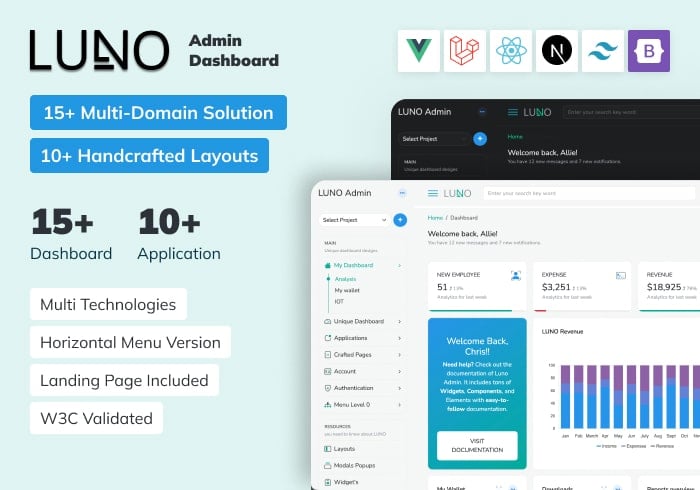
Luno – React, Vue, Laravel, Tailwind, Nextjs Admin Dashboard Template
ReactJs, Vue.js, Laravel, Bootstrap, Tailwind, NextJs
$19.00

ALUI | Bootstrap 5, ReactJS, Angular, VueJS, Laravel Admin Template
ReactJS, Angular, Vue.js, Laravel, Bootstrap
$19.00
